
Knowledge hub





7 Tennis Elbow Exercises to Treat Your Pain at Home
Key Takeaways
- Tennis elbow responds well to targeted strengthening and stretching exercises performed consistently at home
- Starting with gentle movements and progressing gradually prevents further injury while promoting healing
- Exercises should focus on eccentric loading of the forearm extensors to rebuild tendon strength
- Pain during exercises should remain minimal to moderate and should not persist after completing the movement
- Combining multiple exercise types provides the best outcomes for reducing pain and restoring function
Table of Contents
- Understanding Tennis Elbow and Why Exercises Help
- When to Start Exercising Your Tennis Elbow
- Exercise 1: Wrist Extension Stretch
- Exercise 2: Eccentric Wrist Extension
- Exercise 3: Forearm Pronation and Supination
- Exercise 4: Ball Squeeze
- Exercise 5: Wrist Flexion Stretch
- Exercise 6: Finger Extension with Rubber Band
- Exercise 7: Towel Twist
- Creating Your Exercise Routine
- Common Mistakes to Avoid
Understanding Tennis Elbow and Why Exercises Help
Tennis elbow, medically known as lateral epicondylitis, occurs when the tendons connecting your forearm muscles to the bony prominence on the outside of your elbow become irritated or damaged. Despite its name, this condition affects far more people who've never picked up a tennis racket than those who play regularly. Painters, carpenters, plumbers, and office workers who spend hours at computers all develop this painful condition through repetitive wrist and arm movements.
The pain typically starts as a dull ache on the outer elbow and gradually intensifies over weeks or months. You might notice weakness when gripping objects, shaking hands, or turning doorknobs. Simple tasks like holding a coffee cup or using a screwdriver can become surprisingly difficult and uncomfortable.
Exercise therapy works by strengthening the damaged tendons and surrounding muscles through controlled stress. This approach might seem counterintuitive when you're experiencing pain, but research consistently demonstrates that targeted exercises promote tissue healing and reduce long-term symptoms more effectively than rest alone. The key lies in applying the right amount of load to stimulate repair without causing additional damage.
Professional guidance through physiotherapy can ensure you're performing exercises correctly, but many people successfully manage their symptoms at home with proper instruction. The exercises I'll describe target different aspects of forearm function, from flexibility to strength and endurance.
When to Start Exercising Your Tennis Elbow
Timing matters significantly when beginning an exercise program for tennis elbow. Starting too aggressively during the acute inflammatory phase can worsen your condition, while waiting too long may allow muscles to weaken and stiffen unnecessarily.
You can typically begin gentle stretching exercises once the sharp, intense pain subsides and you're left with a more constant, dull ache. This transition usually occurs within a few days to two weeks after the initial injury or symptom onset. Strengthening exercises should follow once you can perform stretches without significant discomfort.
Listen to your body's signals throughout this process. Some discomfort during exercises is normal and expected, but severe pain indicates you're pushing too hard. A useful guideline is keeping pain levels below a four out of ten during exercises, with symptoms returning to baseline within 24 hours after your session.
If you're unsure whether you're ready to start exercising, or if your symptoms have persisted for several months without improvement, consulting with a healthcare professional provides valuable direction. They can assess your specific situation and modify exercises to match your current healing stage.
Exercise 1: Wrist Extension Stretch
The wrist extension stretch serves as an excellent starting point because it gently lengthens the forearm extensor muscles that attach to the lateral epicondyle. This stretch addresses the tightness that often accompanies tennis elbow and prepares your tissues for more challenging movements.
Begin by extending your affected arm straight in front of you with your palm facing down. Use your opposite hand to gently press the back of your hand downward, bending your wrist so your fingers point toward the floor. You should feel a mild pulling sensation along the top of your forearm and possibly near your elbow.
Hold this position for 30 seconds, breathing normally throughout. Avoid bouncing or forcing the stretch deeper. Release slowly and repeat three times. Perform this stretch three to four times daily, especially before and after activities that typically aggravate your symptoms.
Some people find that keeping their elbow completely straight intensifies the stretch too much initially. If this applies to you, try bending your elbow slightly to reduce the tension, gradually working toward a fully extended arm as your flexibility improves over several weeks.
Exercise 2: Eccentric Wrist Extension
Eccentric exercises have become the gold standard for treating tendon problems because they stimulate tissue remodeling more effectively than other exercise types. During eccentric movements, muscles lengthen while under tension, creating the precise stimulus needed for tendon healing.
For this exercise, you'll need a light weight (one to two pounds to start). Sit in a chair and rest your forearm on a table with your wrist hanging over the edge and your palm facing down. Use your unaffected hand to lift the weight in your affected hand up into wrist extension. Once your wrist is raised, remove your assisting hand and slowly lower the weight back down using only your affected arm. This lowering phase is the eccentric component that provides the therapeutic benefit.
Take three to four seconds to lower the weight completely. The movement should feel controlled rather than rushed. Repeat this 15 times for three sets, resting 30 seconds between sets. Perform this exercise once daily, gradually increasing the weight as the exercise becomes easier over several weeks.
Don't be alarmed if you feel some discomfort during this exercise. Mild pain that doesn't exceed a four out of ten and resolves quickly afterward is acceptable and even expected. However, sharp or severe pain signals you should reduce the weight or take an extra rest day.
Exercise 3: Forearm Pronation and Supination
Rotation movements of the forearm often get overlooked in tennis elbow rehabilitation, yet they play a crucial role in functional recovery. These movements engage muscles that support the lateral elbow and improve coordination throughout the entire forearm.
Hold a light hammer or similar weighted object by the handle with your affected hand. Rest your forearm on a table with your thumb pointing upward. Slowly rotate your forearm so your palm faces down (pronation), then rotate back through neutral and continue until your palm faces up (supination). The weight should shift from one side to the other as you rotate.
Complete this full rotation cycle ten times, moving slowly and deliberately. Focus on controlled movement rather than speed. Perform three sets once daily. As this becomes easier, you can progress by holding the object farther from the weighted end, which increases the resistance due to the longer lever arm.
This exercise particularly benefits people whose tennis elbow symptoms worsen with twisting motions like turning keys or using screwdrivers. Building strength through these rotation patterns directly addresses those functional limitations.
Exercise 4: Ball Squeeze
Grip strengthening supports overall forearm function and helps protect the lateral elbow by distributing forces more evenly across multiple muscle groups. The ball squeeze exercise provides a simple yet effective way to build this foundational strength.
Use a soft stress ball or tennis ball that you can compress comfortably. Hold the ball in your affected hand and squeeze firmly, holding the contraction for five seconds before releasing. Your grip should be strong enough to feel your forearm muscles working but not so intense that it causes significant elbow pain.
Repeat this 15 times for three sets, performing the exercise once daily. You can do this exercise almost anywhere, making it convenient to incorporate into your daily routine. Some people keep a ball at their desk or in their car to remind themselves to practice regularly.
As your strength improves over several weeks, you can progress to a firmer ball that provides more resistance. Another progression involves holding the squeeze for longer durations, working up to 10-second holds. This isometric training builds endurance alongside strength, both important for preventing symptom recurrence.
Exercise 5: Wrist Flexion Stretch
While tennis elbow primarily affects the extensor muscles on the top of your forearm, addressing the flexor muscles on the opposite side promotes balanced flexibility and reduces overall tension around the elbow joint. This complementary stretching prevents compensatory tightness from developing.
Extend your affected arm in front of you with your palm facing up. Use your opposite hand to gently press your fingers and palm downward, bending your wrist so your fingers point toward the floor. You'll feel a stretch along the underside of your forearm. Keep your elbow straight but not locked.
Hold for 30 seconds, breathing steadily. Release and repeat three times. Perform this stretch alongside your wrist extension stretch, creating a complete flexibility routine for your forearm. Most people find this stretch less intense than the extension version, but it remains equally important for comprehensive rehabilitation.
Maintaining flexibility in both muscle groups supports better movement patterns during daily activities. When one muscle group becomes significantly tighter than its opposing group, your body compensates with altered mechanics that can perpetuate pain and dysfunction.
Exercise 6: Finger Extension with Rubber Band
The muscles that extend your fingers share connections with the tissues affected by tennis elbow. Strengthening these often-neglected muscles provides indirect support to the lateral elbow while improving hand function. This exercise requires only a simple rubber band.
Place a rubber band around all five fingers and your thumb. Starting with your fingers and thumb touching together, spread your fingers and thumb apart against the resistance of the rubber band. Focus on opening your hand fully, creating as much space between your fingers as possible.
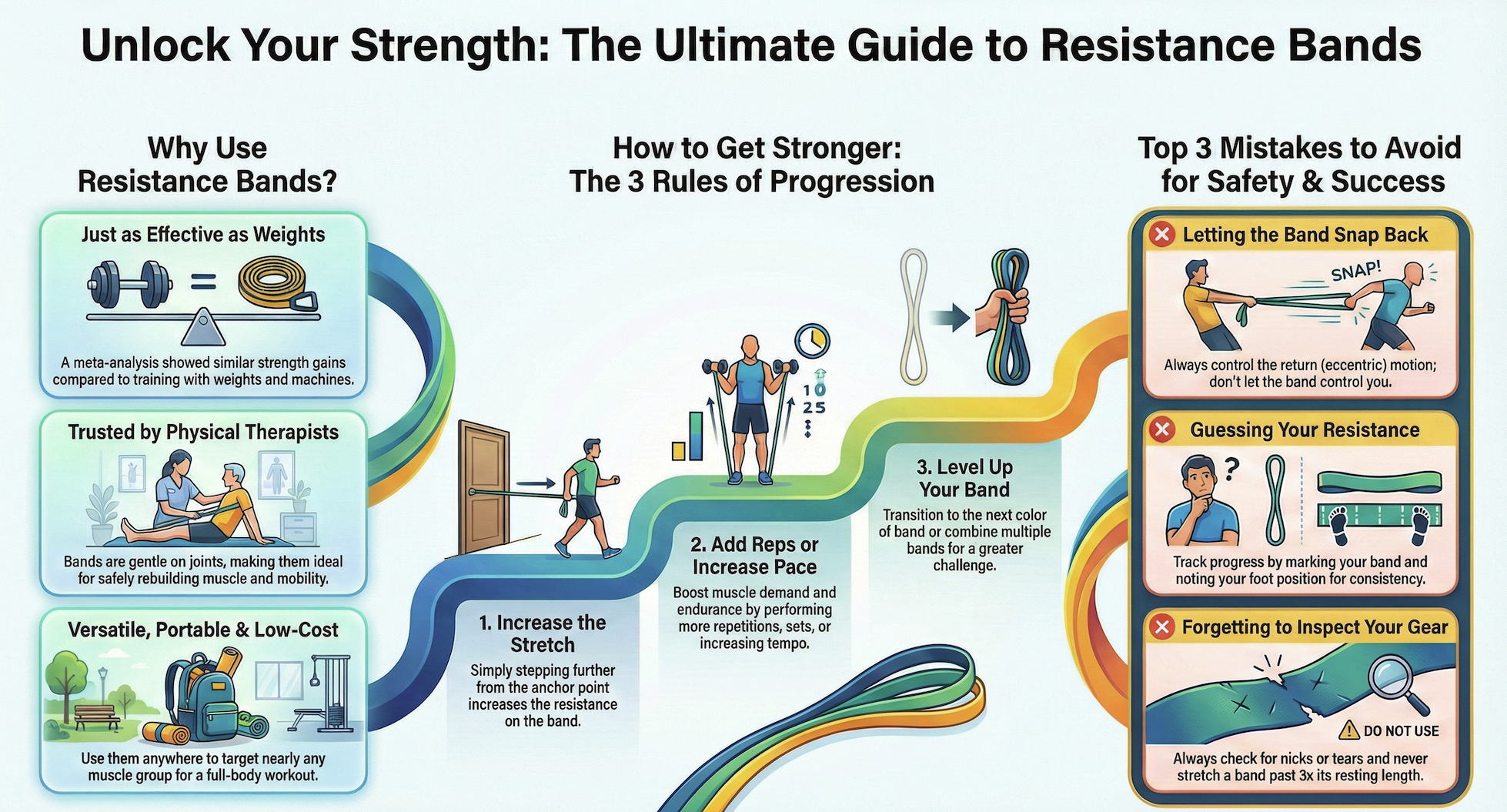
Perform this movement 15 times for three sets, once daily. The resistance should feel moderate. If it's too easy, double up the rubber band or use a thicker one. If it's too challenging, use a thinner band or one that's slightly stretched out.
This exercise particularly benefits people who type extensively or perform fine motor tasks that require repetitive finger movements. Building endurance in these small muscles reduces fatigue and helps maintain proper mechanics throughout long work sessions.
Exercise 7: Towel Twist
The towel twist combines multiple movement patterns into a single functional exercise that mimics real-world activities. This exercise builds integrated strength across your forearm, wrist, and hand while challenging your grip and rotation capabilities simultaneously.
Hold a small towel with both hands in front of your chest, hands positioned about shoulder-width apart. Twist the towel as if wringing out water, with your affected hand rotating down and in. This combines pronation with wrist flexion and grip strength. Reverse the motion, twisting in the opposite direction.
Perform ten twists in each direction for three sets, once daily. Start with a dry towel, which provides minimal resistance. As you progress over several weeks, you can dampen the towel slightly to increase the resistance. Eventually, a wet towel that you actively wring out provides a challenging strength workout.
This exercise bridges the gap between isolated strengthening movements and the complex demands of daily activities. By practicing this coordinated movement pattern, you prepare your arm for tasks like opening jars, wringing out cleaning cloths, or using hand tools with greater confidence and less discomfort.
Creating Your Exercise Routine
Consistency matters more than intensity when rehabilitating tennis elbow. A well-structured routine performed regularly yields better results than sporadic, overly aggressive exercise sessions that leave you too sore to continue.
I recommend starting with a basic routine that includes the wrist extension stretch, eccentric wrist extension, and ball squeeze. Perform these three exercises daily for the first week, paying close attention to how your body responds. This conservative approach allows you to establish proper technique and gauge your tolerance before adding complexity.
After one week, if you're tolerating the initial exercises well, add the forearm rotation and finger extension exercises. Continue this expanded routine for another week. Finally, incorporate the wrist flexion stretch and towel twist to complete the full program. This gradual progression prevents overload while steadily building your capacity.
Your complete routine should take 15 to 20 minutes once daily. Many people find that exercising at the same time each day improves adherence. Morning sessions work well for some, while others prefer evening workouts after their daily activities are complete. Choose a time when you can focus without rushing.
Track your progress by noting your pain levels, the weights you're using, and your ability to perform daily activities. Most people notice meaningful improvement within three to four weeks, with continued gains over two to three months. Patience is essential because tendon healing occurs slowly compared to muscle recovery.
Support from movement specialists through kinesiology services can help you refine your technique and adjust your program as needed. Professional guidance becomes particularly valuable if you're not progressing as expected or if you have questions about modifying exercises for your specific situation.
Common Mistakes to Avoid
Several pitfalls can derail your rehabilitation efforts despite your best intentions. Recognizing these common mistakes helps you stay on track and maximize your recovery potential. The first major error is doing too much too soon. Enthusiasm about feeling better can lead to rapid progressions in weight or repetitions that exceed your tissues' current capacity.
Increase resistance gradually, typically no more than 10 to 15 percent per week. Small, steady progressions accumulate into significant gains without triggering setbacks. Similarly, adding repetitions should happen incrementally rather than jumping from 15 repetitions to 30 overnight.
Another frequent mistake involves compensating with poor form to complete exercises. If you find yourself using momentum, twisting your torso, or recruiting your shoulder excessively to finish a set, you're likely working beyond your current capability. Reduce the weight or repetitions to maintain proper technique throughout each movement.
Skipping stretching exercises in favor of strengthening work creates imbalances that can perpetuate symptoms. Flexibility and strength improvements should progress together. Both components contribute to optimal function and symptom resolution, so neglecting either limits your overall recovery.
Stopping exercises too soon represents another common problem. Once your pain diminishes significantly, it's tempting to abandon your routine and return to normal activities. However, prematurely discontinuing exercises often leads to symptom recurrence because the underlying tissue healing isn't complete even though pain has decreased.
Continue your exercise program for at least two to three months after your symptoms resolve. You can then transition to a maintenance program performed two to three times weekly to preserve your gains and prevent future episodes. Many people benefit from incorporating these exercises into their long-term fitness routines.
Ignoring persistent or worsening symptoms also creates problems. While some discomfort during rehabilitation is normal, pain that intensifies over several consecutive sessions or doesn't improve within 24 hours after exercising suggests you need to modify your approach. Don't push through severe pain hoping it will eventually improve.
Finally, attempting to rehabilitate tennis elbow while continuing the aggravating activity at the same intensity usually produces disappointing results. If your job or hobby caused your symptoms, you may need to modify those activities temporarily while your exercises take effect. This might mean adjusting your workstation setup, using different tools, or reducing training volume for athletes.
Consider your exercise program as an investment in your long-term arm health rather than a quick fix. Tennis elbow develops over time through accumulated stress, and reversing that damage requires sustained effort. The exercises I've outlined provide a comprehensive approach to addressing the flexibility, strength, and coordination deficits that accompany this condition.
Your home exercise program forms the foundation of recovery, but it doesn't mean you should navigate this process entirely alone. Professional assessment ensures you're addressing the right problems with appropriate exercises. An experienced practitioner can identify movement dysfunctions or compensatory patterns that might not be obvious to you but could be contributing to your symptoms.
Ready to take the next step in resolving your tennis elbow pain? I'm here to guide you through a personalized rehabilitation plan that addresses your specific needs and goals. Book your appointment today and let's work together to get you back to the activities you enjoy without the constant burden of elbow pain limiting your daily life.

9 Best Exercises for TMJ Pain Relief
Key Takeaways
- Conservative exercise therapy effectively reduces jaw pain and improves function for most TMJ disorder patients without invasive interventions.
- The goldfish exercises form the foundation of TMJ rehabilitation by increasing jaw mobility and reducing joint stiffness through controlled movements.
- Addressing cervical posture through chin tucks is critical since jaw and neck pain patterns frequently correlate and influence each other.
- Progressive resistance training strengthens jaw muscles and stabilizes the joint after initial mobility improvements are established.
- Combining professional treatment with structured home exercise programs produces superior outcomes compared to exercise alone.
Table of Contents
- Understanding TMJ Disorders: Why Exercise Therapy Works
- Foundational TMJ Exercises: Building Blocks for Recovery
- Advanced Strengthening and Mobility Exercises
- Professional Care and Treatment Integration in Canada
Understanding TMJ Disorders: Why Exercise Therapy Works
Temporomandibular disorders represent a collection of more than 30 distinct conditions causing pain and dysfunction in the jaw joint and surrounding muscles. The temporomandibular joint connects your lower jaw to your skull, functioning as a complex hinge that allows you to talk, chew, and yawn. When this intricate system develops problems, the impact on daily life can be profound.
These disorders affect a significant portion of the adult population, with Canadian adults reporting a particularly high prevalence of TMJ symptoms. Women experience temporomandibular disorders at twice the rate of men, with the highest incidence occurring between ages 35 and 44. The condition encompasses various presentations including muscle disorders, joint derangement, and inflammatory conditions that collectively impact millions of people seeking relief from persistent jaw pain.
Exercise therapy has emerged as a highly effective conservative management approach for TMJ disorders. The majority of patients report reduced pain when following structured jaw exercise protocols. These therapeutic interventions work through multiple mechanisms that address the root causes of TMJ dysfunction rather than merely masking symptoms.
Therapeutic exercises restore normal jaw range of motion by systematically addressing restrictions in movement patterns. The jaw loses its natural mobility when protective muscle guarding develops in response to pain or injury. Structured movement patterns gradually retrain the neuromuscular system, breaking the pain-spasm-pain cycle that perpetuates chronic TMJ symptoms.
Muscle tension reduction represents another critical mechanism through which exercise therapy provides relief. The muscles controlling jaw movement, including the masseter, temporalis, and pterygoid muscles, frequently develop chronic tension patterns. Specific exercises targeting these structures increase flexibility in muscles, ligaments, and connective tissues, allowing the jaw to move more freely and with less discomfort.
Improved neuromuscular coordination distinguishes exercise therapy from passive treatments. Your jaw performs complex three-dimensional movements requiring precise coordination between multiple muscle groups. TMJ disorders often disrupt these coordination patterns, resulting in abnormal tracking, clicking, or locking sensations. Coordination exercises retrain the nervous system to control jaw movements more efficiently, addressing both myalgia (muscle pain) and arthralgia (joint pain).
The relationship between temporomandibular and cervical regions cannot be overstated. Research shows that the vast majority of TMJ patients demonstrate correlated pain patterns between the jaw and neck. Forward head posture places excessive strain on jaw muscles, while cervical muscle tension can refer pain to the temporomandibular region. Comprehensive TMJ rehabilitation must address both areas to achieve lasting results, explaining why effective exercise programs include cervical retraction and postural correction components.
Foundational TMJ Exercises: Building Blocks for Recovery
The foundational exercises form the essential starting point for any TMJ rehabilitation program. These movements establish basic mobility patterns, reduce stiffness, and prepare the jaw for more advanced strengthening work. I recommend beginning with these exercises regardless of your current symptom severity, as they provide the building blocks for all subsequent progression.
Goldfish Exercise (Partial Opening) serves as the cornerstone of TMJ mobility training. Position your tongue against the roof of your mouth while placing one finger on your TMJ directly in front of your ear. Place your other finger under your chin. Open your mouth approximately one-third of your maximum range while maintaining gentle pressure with both fingers. The tongue position provides proprioceptive feedback that helps establish proper movement patterns.
This exercise targets the jaw tracking system, training your jaw to move smoothly through its natural path rather than deviating to one side. Perform six repetitions, six times daily for optimal results. The frequent repetition throughout the day reinforces proper movement patterns more effectively than a single extended session. This exercise increases flexibility while decreasing joint stiffness through controlled, pain-free movements.
Goldfish Exercise (Full Opening) progresses the partial opening version by extending through your complete comfortable range. Maintain the same tongue and hand positioning as the partial opening exercise. Open your mouth to your maximum comfortable range while carefully monitoring for any deviation in jaw path. You'll feel activation in multiple muscle groups including the lateral pterygoid, masseter, temporalis, and medial pterygoid muscles.
The full opening variation addresses deeper restrictions while maintaining the proprioceptive feedback that ensures proper technique. Watch for asymmetrical movements or shifts in jaw position during the opening phase. These deviations indicate muscle imbalances or joint dysfunction that require additional attention. Complete six repetitions, six times daily, spacing sessions throughout your waking hours.
The Relaxed Jaw Exercise might seem deceptively simple, but it serves a critical function in TMJ rehabilitation. Separate your upper and lower jaws comfortably, ensuring no tooth contact. Rest your tongue on your palate in its natural position. Hold this relaxed position for 10 to 30 seconds. This exercise interrupts habitual tension patterns that many people unconsciously maintain throughout the day.
Most individuals clench or hold their jaws in tense positions without awareness, particularly during concentration or stress. The relaxed jaw exercise establishes proper oral rest posture, teaching your nervous system what a truly relaxed jaw feels like. Perform this exercise during natural break points throughout your day, such as waiting at traffic lights, between work tasks, or during commercial breaks. The frequent practice reinforces the relaxed state as your new default position.
Chin Tucks (Cervical Retraction) address the critical connection between neck posture and jaw function. Stand with your shoulders pulled back and your head in a neutral position. Pull your head straight back, creating a double chin appearance without tilting your head up or down. Hold this retracted position for three seconds before releasing. This movement corrects forward head posture, which significantly increases strain on jaw muscles.
Forward head posture has become epidemic in modern society due to extended computer use and smartphone habits. Every inch your head moves forward from its ideal position increases the load on your cervical spine and jaw muscles. Chin tucks strengthen the deep cervical flexors while stretching tight posterior neck muscles, creating better alignment that reduces stress on the temporomandibular joint. Perform up to 10 repetitions per session throughout the day, particularly after extended periods in fixed positions.
Advanced Strengthening and Mobility Exercises
Advanced exercises build upon the foundational movements by adding resistance training and more challenging coordination patterns. These exercises should be introduced only after acute pain subsides and basic mobility is established, typically two to three weeks into your rehabilitation program. Premature progression to advanced exercises can aggravate symptoms and delay recovery.
Resisted Opening and Closing introduces controlled resistance that strengthens jaw muscles while improving joint stability. Place your index fingers under your chin and gently resist as you open your mouth. The resistance should be moderate, allowing smooth movement without straining. Hold the open position for five seconds before closing. Perform six to 10 repetitions per session.
This isometric exercise strengthens the muscles responsible for jaw opening and closing in a controlled manner. The resistance challenges the neuromuscular system without placing excessive stress on the joint structures. You can also perform the closing variation by placing your thumb under your chin and resisting as you close your mouth. These exercises improve muscular endurance, allowing your jaw to function longer without fatigue or pain.
Side-to-Side Jaw Movement addresses lateral excursion, a movement pattern often restricted in TMJ disorders. Open your mouth slightly and move your jaw from side to side with slow, smooth motions. Focus on controlling the movement throughout its entire range rather than reaching for maximum displacement. You can place a wooden stick or tongue depressor between your teeth to provide tactile feedback during the exercise.
Perform this exercise at least once daily, progressing to thicker objects as your lateral excursion improves. This progression gradually increases the challenge while providing measurable feedback about your improvement. Side-to-side movements are particularly effective for reducing clicking sounds and improving overall jaw coordination. Many patients notice that clicking diminishes as lateral mobility improves.
Forward Jaw Movement specifically targets protraction, the ability to shift your lower jaw forward. Position your lower teeth forward in front of your upper teeth, creating an underbite position. Hold this position for 10 seconds while maintaining relaxed breathing. This exercise stretches the posterior temporalis muscle fibers, which often become shortened and restricted in TMJ disorders.
Protraction restrictions frequently develop from chronic jaw clenching or grinding habits. The forward jaw movement restores balance between the muscles that pull the jaw backward and those that move it forward. You might feel a stretch sensation in the back of your jaw or temple region during this exercise, indicating effective targeting of restricted tissues.
The Tongue Up Exercise combines mobility work with proprioceptive training. Touch your tongue to the roof of your mouth and maintain this contact while extending your jaw down as far as possible. The tongue position provides feedback that guides proper jaw tracking. Perform a chewing-like motion 10 times, completing three sessions daily.
This exercise establishes proper jaw tracking patterns through the integration of tongue position and jaw movement. The proprioceptive feedback from your tongue helps your nervous system recognize and correct deviations in movement patterns. Many patients find this exercise particularly helpful for addressing asymmetrical jaw movements or deviations during opening.
Mandibular Stabilization Exercise represents one of the most advanced movements in TMJ rehabilitation. Place your thumb against the base of your jaw below your chin and apply gentle pressure while opening your mouth. The resistance should challenge your muscles without preventing movement. Repeat with your thumb positioned on the left and right sides of your jaw to address all movement planes.
Perform five repetitions per session, five times daily. Introduce this exercise three to four weeks into your program after basic range of motion has been established. This exercise provides comprehensive strengthening across all planes of jaw movement, improving mandibular stabilization and reducing the risk of future dysfunction. The multidirectional resistance prepares your jaw for the complex demands of daily activities like chewing tough foods or extended conversation.
Professional Care and Treatment Integration in Canada
While home exercises form the foundation of TMJ rehabilitation, professional guidance significantly enhances outcomes and accelerates recovery. Multidisciplinary approaches incorporating TMJ physiotherapy, dentistry, and specialized services provide superior results compared to single-modality treatment. Professional treatments maintain functional states at both temporomandibular and cervical levels, addressing the interconnected nature of these regions.
Physiotherapy treatments for TMJ disorders include manual therapy techniques that relieve myofascial pain and improve joint function. Skilled practitioners can identify specific restrictions in joint mobility, muscle tension patterns, and postural dysfunctions that contribute to your symptoms. Manual therapy techniques release tight muscles, mobilize restricted joints, and restore normal tissue mechanics that support pain-free jaw function.
Professional treatment sessions also provide essential education about proper exercise technique. Subtle variations in positioning or movement quality can dramatically affect exercise effectiveness and safety. A qualified physiotherapist observes your movement patterns, provides corrective feedback, and ensures you're performing exercises correctly before continuing independently at home. This guidance prevents the development of compensatory patterns that could perpetuate dysfunction.
The integration of registered massage therapy complements physiotherapy interventions by addressing chronic muscle tension and trigger points that develop in the jaw and cervical regions. Therapeutic massage techniques release accumulated tension, improve circulation, and promote tissue healing. The combination of massage therapy and exercise provides comprehensive treatment that addresses both active and passive components of rehabilitation.
Combined professional treatment with structured home exercise programs achieves optimal outcomes. Professional interventions provide intensive therapeutic input that jumpstarts the healing process, while consistent home exercises maintain and build upon these improvements. This collaborative approach ensures continuous progress rather than the fluctuating results often seen with treatment alone.
Progressive TMJ rehabilitation requires careful monitoring and modification based on symptom response. What works during the initial inflammatory phase may differ significantly from appropriate exercises during later strengthening phases. Professional physiotherapy guidance ensures proper technique, appropriate progression, and integration with other interventions like splints, postural correction, or stress management strategies.
Canadian patients seeking professional TMJ management benefit from accessible physiotherapy and massage therapy services. Treatment options include comprehensive assessment, individualized exercise prescription, manual therapy techniques, and ongoing monitoring to ensure optimal progress. Professional services provide the expertise needed to navigate complex cases, identify underlying contributing factors, and design treatment plans that address your specific presentation.
Your TMJ rehabilitation timeline depends on multiple factors including symptom severity, chronicity, contributing factors, and adherence to your exercise program. Most patients notice initial improvements within two to three weeks of consistent exercise performance. Significant functional improvements typically develop over six to eight weeks, though some cases require longer intervention periods.
Consistency matters more than intensity in TMJ exercise programs. Performing exercises correctly several times daily produces better results than aggressive, infrequent sessions. The frequent repetition throughout the day retrains movement patterns and reinforces proper neuromuscular coordination more effectively than marathon exercise sessions. Think of your TMJ exercises as movement snacks distributed throughout your day rather than a single workout.
Pain should guide your exercise progression. Mild discomfort during exercises is acceptable, but sharp pain, significant increases in symptoms, or prolonged pain after exercise indicates the need for modification. Reduce your range of motion, decrease repetitions, or return to earlier exercises in the progression if symptoms escalate. Professional guidance helps determine whether symptoms represent normal healing responses or signs of inappropriate progression.
Lifestyle modifications complement your exercise program by reducing aggravating factors. Avoid chewing gum, biting nails, or chewing on objects like pens. Cut food into smaller pieces and alternate chewing sides rather than favoring one side. Address stress through relaxation techniques, as psychological tension often manifests as physical jaw clenching. Sleep position matters too, as stomach sleeping can place excessive stress on jaw joints.
The long-term success of TMJ rehabilitation depends on maintaining proper movement patterns and postural habits after symptoms resolve. Many patients discontinue exercises once pain subsides, only to experience symptom recurrence months later. I recommend continuing a maintenance program with reduced frequency once you achieve your goals. Performing key exercises three times weekly maintains the improvements you've worked hard to achieve.
TMJ disorders respond exceptionally well to conservative management through therapeutic exercise when approached systematically and consistently. The nine exercises outlined in this article provide a comprehensive framework for addressing jaw pain, improving mobility, and restoring normal function. Starting with foundational movements and progressing to advanced strengthening exercises ensures safe, effective rehabilitation that produces lasting results.
Don't let jaw pain control your life. Professional guidance combined with these proven exercises can significantly reduce your symptoms and restore comfortable jaw function. Book your comprehensive TMJ assessment at BLVD Wellness today and start your journey toward pain-free jaw function. Our experienced physiotherapy team will design a personalized treatment plan that addresses your specific needs and accelerates your recovery. Schedule your appointment now and take the first step toward lasting TMJ relief.

Different Types of Massage Therapies and Their Benefits
Massage therapy encompasses a diverse range of techniques, each offering distinct therapeutic benefits for physical recovery, pain management, and overall wellness. From the gentle, flowing strokes of Swedish massage to the targeted pressure of deep tissue work, understanding the various modalities available helps you make informed decisions about which approach best addresses your specific health concerns and wellness goals.
Key Takeaways
- Swedish massage forms the foundation of modern massage therapy, using four primary stroke techniques to promote relaxation and improve circulation throughout the body.
- Deep tissue massage targets chronic muscle tension and demonstrates significant improvements in athletic performance and recovery when applied consistently.
- Specialized therapies like sports massage, reflexology, and lymphatic drainage address specific conditions from delayed onset muscle soreness to edema reduction.
- Prenatal massage safely reduces stress hormones while increasing serotonin and dopamine levels, contributing to fewer birth complications when administered properly.
- Clinical research supports massage therapy's effectiveness for managing pain, anxiety, depression, and improving quality of life across multiple patient populations.
Table of Contents
- Most Popular Massage Therapies: Swedish, Deep Tissue, and Hot Stone
- Specialized Therapeutic Massage: Sports, Reflexology, and Lymphatic Drainage
- Prenatal Massage and Professional Standards in Canada
- Evidence-Based Benefits and Clinical Research Findings
Most Popular Massage Therapies: Swedish, Deep Tissue, and Hot Stone
Swedish massage
This modality relies on four primary stroke techniques that work together to create a comprehensive therapeutic experience. Effleurage involves smooth, gliding strokes that warm up the muscle tissue and promote relaxation. Petrissage focuses on squeezing and kneading movements that target deeper layers of soft tissue. Friction employs deep circular movements to break down adhesions and scar tissue. Finally, tapotement uses rhythmic tapping to stimulate nerve endings and invigorate the body.
The effectiveness of Swedish massage extends far beyond simple relaxation. Clinical trial evidence demonstrates significant improvements in patients with knee osteoarthritis who received sessions once or twice weekly for one hour, according to research analyzed by WebMD. A systematic review examined thousands of articles, with over a hundred meeting rigorous inclusion criteria. Perhaps most compelling, research involving multiple clinical trials demonstrated this technique's effectiveness in reducing depression symptoms across various populations.
Deep Tissue Massage
This technique applies firm pressure and slow strokes to reach deeper layers of muscle and fascia, the connective tissue surrounding muscles. A randomized controlled trial examined athletes receiving bi-weekly sessions lasting approximately 40 minutes over an extended period. The results proved particularly impressive for team sport and strength sport athletes, who showed the greatest performance improvement. Research confirmed that bi-weekly sessions demonstrated superior recovery outcomes compared to less frequent treatments.
Hot stone massage
Incorporates heated basalt volcanic rocks into the therapeutic process. These stones are warmed to a specific temperature range that provides therapeutic benefits without causing discomfort. The ancient practice dates back thousands of years in Asia, where practitioners recognized the healing properties of combining heat with manual manipulation. Chinese medicine utilized hot stones centuries ago to enhance internal organ function and promote energy flow throughout the body.
During a typical hot stone massage session, which usually lasts 90 minutes, therapists place heated stones on specific points along the spine, in the palms of hands, between toes, or on the abdomen. The heat penetrates deeply into muscles, allowing therapists to work more effectively on areas of tension without applying excessive pressure. This combination of heat therapy and manual manipulation creates a uniquely relaxing experience while addressing muscular dysfunction. The warmth from the stones expands blood vessels, improving circulation and allowing oxygen-rich blood to reach sore and damaged muscles more efficiently.
Specialized Therapeutic Massage: Sports, Reflexology, and Lymphatic Drainage
Sports massage
Serves a specific population with unique physical demands. A meta-analysis examined dozens of studies involving over a thousand participants to assess this modality's effectiveness. The research demonstrated small but statistically significant improvements in flexibility and delayed onset muscle soreness, commonly known as DOMS. Session duration typically ranges from 60 to 90 minutes, with practitioners alternating between deep, targeted pressure and soothing strokes to address both performance enhancement and recovery needs.
Athletes benefit from sports massage at different stages of their training cycles. Pre-event massage focuses on warming up muscles, increasing circulation, and preparing the body for intense physical activity. Post-event sessions prioritize recovery, helping to flush metabolic waste from tissues and reduce inflammation. Maintenance massage between competitions addresses chronic issues, prevents injuries, and keeps muscles functioning optimally. I recommend that serious athletes incorporate regular sessions into their training programs rather than seeking treatment only when problems arise.
Reflexology
operates on a fundamentally different principle than traditional massage modalities. This practice bases its approach on the concept that the body contains 10 vertical zones throughout, with each zone corresponding to specific fingers and toes. Practitioners apply pressure to precise points on the feet, hands, and ears, believing these areas connect to organs and systems throughout the body. Research from 2014 examined participants who received weekly sessions over two months, showing decreased migraine frequency. Another study involving women with low-risk pregnancies demonstrated significant labor pain reduction.
The technique involves applying firm pressure with thumbs and fingers to specific reflex points. Unlike traditional massage, reflexology doesn't require oils or lotions, and clients remain fully clothed except for removing shoes and socks. Sessions typically last between 30 and 60 minutes, during which practitioners systematically work through all reflex points on both feet. Many clients report feeling deeply relaxed during treatment, sometimes experiencing sensations in areas corresponding to the points being worked. While some dismiss reflexology as pseudoscience, the clinical evidence supporting its effectiveness for certain conditions continues to accumulate.
Manual lymphatic drainage
Represents one of the most specialized forms of massage therapy. This gentle technique focuses on stimulating the lymphatic system, which plays a crucial role in immune function and fluid balance. A systematic review identified multiple articles including randomized controlled trials evaluated using rigorous validity scoring systems. The best evidence supports effectiveness for resolving enzyme levels associated with acute skeletal muscle cell damage. More recent research showed significant pain intensity improvements at follow-up appointments months after treatment.
The lymphatic system lacks a pump like the cardiovascular system's heart, relying instead on muscle contractions and manual manipulation to move fluid. Lymphatic drainage uses light, rhythmic strokes that follow the direction of lymph flow toward lymph nodes. The pressure applied remains considerably lighter than traditional massage, as excessive force can damage delicate lymphatic vessels. Research spanning three decades demonstrated lymphatic drainage effects beyond edema reduction, including improvements in fatigue and pain thresholds. The technique proves particularly effective for edema reduction following acute ankle joint sprains and wrist fractures.
Prenatal Massage and Professional Standards in Canada
Prenatal massage requires specialized knowledge and adaptations to ensure both maternal and fetal safety. Canadian pregnancy care providers typically recommend waiting until 12 weeks pregnant, corresponding to the second trimester, before beginning massage therapy. This timing allows the pregnancy to establish and reduces risk during the most vulnerable developmental period. The optimal frequency starts with sessions once every two weeks during the second trimester, increasing to weekly sessions in the third trimester as the body undergoes more rapid changes.
Research demonstrates that bi-weekly massages over several weeks reduced stress hormones including norepinephrine and cortisol while simultaneously increasing dopamine and serotonin levels. These neurochemical changes contribute to improved mood, reduced anxiety, and better sleep quality during pregnancy. Studies indicate prenatal massage leads to fewer birth complications and reduced instances of low birth weight, according to information from the American Pregnancy Association. The mechanisms behind these benefits likely involve reduced maternal stress, improved circulation, and better hormonal regulation throughout gestation.
Safety considerations during prenatal massage differ significantly from standard sessions. The side-lying position provides the safest and most comfortable option for pregnant clients, avoiding any pressure on the abdomen and ensuring proper blood flow. Therapists use pillows and bolsters to support the body and maintain spinal alignment. Session duration ranges from 15 minutes to one hour depending on the trimester and individual needs. Some women tolerate longer sessions well, while others prefer shorter, more frequent treatments, particularly during the third trimester when positioning becomes more challenging.
Certain massage techniques and pressure points require avoidance during pregnancy. Deep abdominal work presents obvious risks, but practitioners also avoid specific acupressure points believed to stimulate contractions. The inner ankle and the webbing between thumb and index finger traditionally receive careful attention, as these areas may influence uterine activity. Qualified prenatal massage therapists understand these contraindications and modify their approach accordingly, focusing on areas that provide relief without introducing risk.
Professional standards for massage therapists in Canada ensure practitioners possess adequate training and expertise. Registered massage therapists complete accredited programs ranging from 18 to 36 months, depending on the province and institution. These programs cover anatomy, physiology, pathology, assessment techniques, and hands-on practical skills. Following graduation, therapists must complete supervised practical training before receiving full registration.
Evidence-Based Benefits and Clinical Research Findings
The scientific evidence supporting massage therapy continues to expand and strengthen. A systematic review of Swedish massage initially identified thousands of articles, ultimately finding beneficial results across multiple populations. Pain management research demonstrates effectiveness for various conditions including back pain, headaches, osteoarthritis, and fibromyalgia. The diversity of conditions responding to massage therapy suggests multiple mechanisms of action, from direct mechanical effects on tissues to neurological and biochemical changes throughout the body.
Fibromyalgia represents one condition where massage therapy shows particularly promising results. A systematic review and meta-analysis examined multiple studies involving hundreds of participants, demonstrating that five or more weeks of massage therapy improved pain, anxiety, and depression in fibromyalgia patients. Given that fibromyalgia often resists conventional treatments, these findings hold significant clinical relevance. The condition's complex presentation, involving widespread pain, fatigue, sleep disturbances, and cognitive difficulties, requires multifaceted management approaches. Massage therapy addresses multiple symptoms simultaneously, making it a valuable component of comprehensive treatment plans.
Sleep quality represents another area where massage therapy provides significant benefits. Poor sleep affects nearly every aspect of health, from immune function to mental clarity, pain perception to emotional regulation. Research indicates that regular massage improves sleep quality across various populations, including individuals with chronic pain, psychiatric conditions, and age-related sleep disturbances. The mechanisms involve reduced pain and muscle tension, decreased stress hormone levels, and increased production of serotonin, a precursor to the sleep hormone melatonin.
Postoperative care increasingly incorporates massage therapy as part of comprehensive recovery protocols. Studies show massage therapy helps manage postoperative pain, reduces anxiety related to surgical procedures, and may accelerate healing processes. The technique must be adapted based on the type and location of surgery, with practitioners avoiding incision sites and adjusting pressure appropriately. Benefits extend to reduced narcotic pain medication requirements, earlier mobilization, and improved patient satisfaction. A 2016 review found massage therapy provides short-term benefits for neck or shoulder pain, according to information from the National Center for Complementary and Integrative Health.
Selecting the appropriate massage modality requires consideration of your specific health concerns, treatment goals, and personal preferences. Swedish massage suits those seeking general relaxation and stress relief, while deep tissue work addresses chronic muscle tension and postural issues. Sports massage serves athletes looking to enhance performance or accelerate recovery. Reflexology appeals to individuals interested in alternative approaches or those with sensitivity to full-body massage. Lymphatic drainage helps with swelling, inflammation, and immune support. Prenatal massage provides safe, effective relief for pregnancy-related discomfort. Understanding these distinctions empowers you to make informed decisions about your therapeutic care.
Ready to experience the transformative benefits of professional massage therapy? Whether you're dealing with chronic pain, recovering from athletic training, managing stress, or simply seeking to optimize your wellness, our team of qualified practitioners provides expert care across multiple modalities. Book your appointment today and discover which massage therapy approach best supports your health and wellness goals.