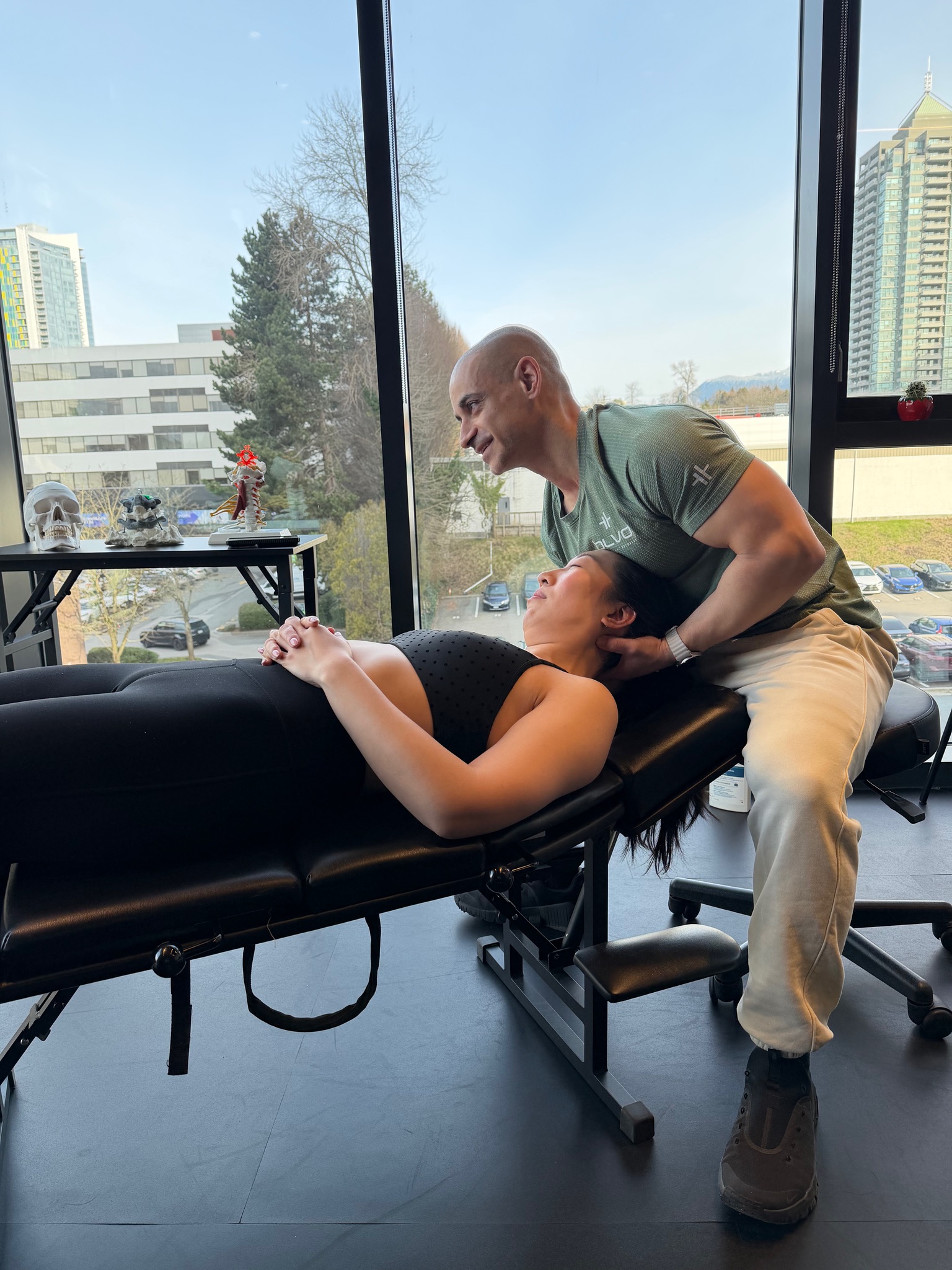
A few simple steps after your session help your body integrate the work and extend the benefits.
A dull ache in the areas worked on typically appears 12-24 hours after treatment and resolves within 48 hours. This is similar to post-exercise soreness and is a normal sign that tissue has been worked.
Massage calms your nervous system down and shifts your body into rest mode. Feeling deeply relaxed, sleepy, or lightly foggy after your session is completely normal and temporary.
Massage promotes circulation and lymphatic flow. You may feel thirstier than usual after your session — this is a normal response.
If deeper pressure techniques were used, mild bruising is possible in more sensitive areas. This resolves within a few days and is not a cause for concern.
Your nervous system has just been calmed down. Give your body time to integrate the work. A quiet evening after your session lets the benefits settle in.
Gentle warmth in the hours after treatment can extend the relaxation response and ease muscle soreness. Avoid very hot baths or extreme temperatures right after your session.
Noting which areas improved and which did not helps your RMT refine the treatment plan for your next session.
Your muscles have been mobilized and relaxed. High-intensity training the same day can cause excessive soreness and diminish the benefit of the massage.
Alcohol affects how your body responds to treatment and can increase post-session soreness. It's best avoided on the day of your session.
Extreme heat can overstimulate already-activated circulation. A warm (not hot) shower is fine; save the sauna for another day.
Mild soreness is expected. Anything more unusual, such as a rash, spreading pain, or significant bruising beyond the treated area, should be reported to your therapist promptly.
Addresses immediate tension, promotes relaxation, and improves local circulation. Relaxation benefits typically last 3-7 days; therapeutic effects for specific conditions last longer with regular care.
Cumulative effect on chronic tension patterns, posture, and stress. Most patients notice the benefits lasting longer over time as the tissue responds to consistent treatment.
For specific conditions such as injury recovery, chronic pain, or tension headaches, weekly sessions build on each treatment and produce more lasting change.
Once therapeutic goals are achieved, monthly or bi-monthly sessions maintain results and prevent recurrence. Your RMT can recommend the right interval for your goals.
Frequency depends on your goals. Therapeutic massage for a specific condition benefits from more frequent sessions initially. Wellness and maintenance massage can be spaced further apart.