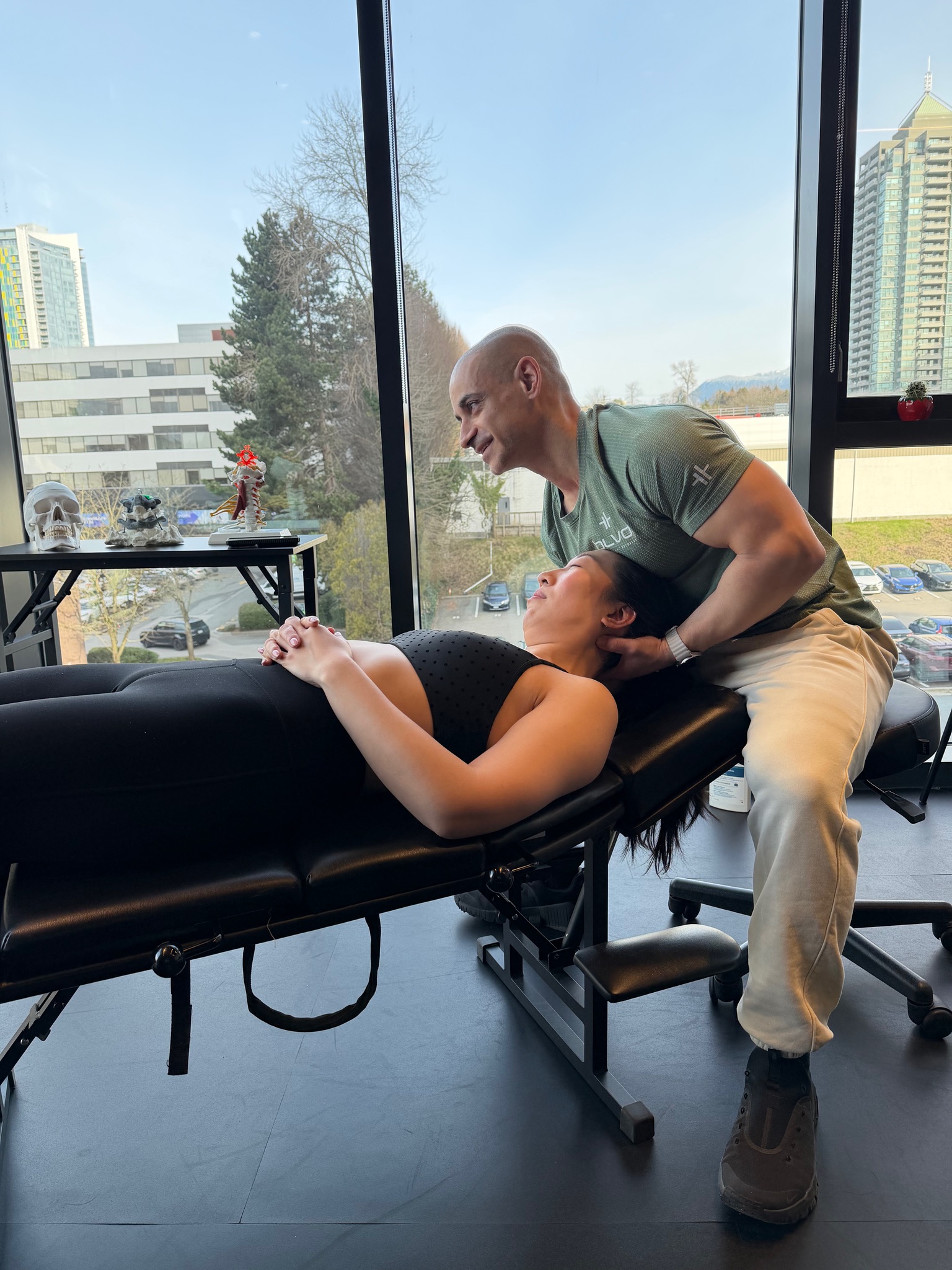
Here is how to support your recovery and get the most out of your treatment in the days following your session.
Treated muscles and joints may feel sore for 24-48 hours, especially after hands-on manual therapy or exercise. This is normal and expected.
It is common for symptoms to briefly flare after assessment or more vigorous treatment. This settles within 24-48 hours and does not mean the treatment made things worse.
Your body has been doing therapeutic work. Feeling tired after a physiotherapy session, especially a longer or more active one, is completely normal.
Some patients notice reduced stiffness or improved range of motion right after treatment. Others see changes develop gradually across sessions. Both are normal.
Gentle movement is better than rest in most cases. A short walk, light stretching, or easy daily activities help maintain the gains made in session and prevent stiffness.
The exercises your therapist has prescribed are the most important part of your recovery between sessions. Even 10 minutes twice daily makes a significant difference.
Warmth can help relax tight muscles and ease post-treatment soreness. Use a heat pack for 15-20 minutes if your therapist has recommended it for your condition.
Good hydration supports tissue recovery and can reduce post-treatment soreness. Drink water steadily throughout the day after your session.
Quality sleep is when most tissue repair happens. Getting adequate rest in the days following treatment supports your recovery.
Unless specifically directed by your therapist, avoid prolonged rest. Staying still can cause joints to stiffen and muscles to weaken, slowing recovery.
Missing your home program is the most common reason recovery stalls. The work done in session sets the direction; your home program is what creates lasting change.
If you take anti-inflammatory medications regularly, let your therapist know. Some physiotherapy techniques work by stimulating your body's natural healing response, and your therapist and doctor are best placed to advise whether anti-inflammatories are appropriate alongside treatment.
If you have been given activity modifications, stick to them. Returning to full training or heavy lifting before your therapist clears you risks re-injury.
Your therapist identifies what is driving your symptoms and begins initial treatment. Some soreness is expected. Home exercises are introduced early — starting them right away makes a difference.
Hands-on treatment and your home program work together to reduce pain and improve function. Progress looks different for everyone — some notice change quickly, others gradually.
As symptoms settle, the focus shifts to building strength and resilience in the affected area. The goal is reducing your reliance on treatment over time.
Your home program becomes your long-term tool. Most people reach a point where they can manage independently — your therapist will guide you toward that goal at the right pace.
Everyone's recovery is different. The phases above reflect a typical progression, but your therapist will move at the pace that is right for your condition and goals.