Your First Acupuncture Appointment: What to Expect, Cost and Coverage
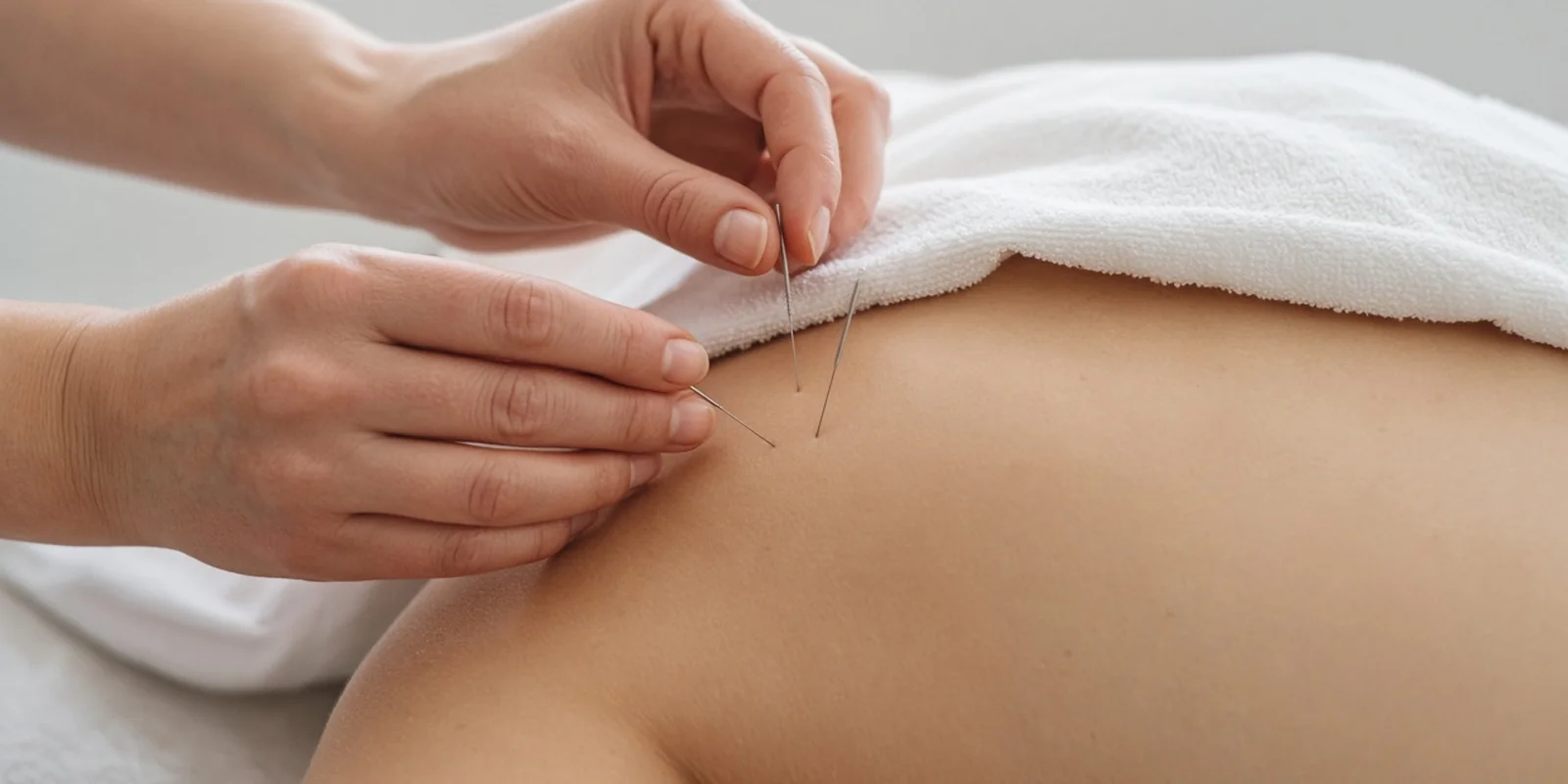
If you have never had acupuncture, your first appointment can feel like a bit of an unknown. In short: a registered acupuncturist takes your health history, talks through your goals, then places very fine needles at selected points while you rest for about twenty to thirty minutes. Most first visits at our clinic in Burnaby, a 5 minute walk from Gilmore Station, run about 60 minutes, and you can book directly without a doctor's referral.
This guide walks through what happens before, during and after a first session, what it costs at BLVD, and how insurance coverage generally works in BC, so you can decide whether acupuncture is worth trying.
This article is general information, not medical advice. Your practitioner will discuss whether acupuncture suits your situation.
In this article
- Before your first acupuncture appointment
- What happens during the first session
- Does acupuncture hurt?
- What does the research say?
- Is acupuncture safe? Possible side effects
- How much does acupuncture cost in Burnaby?
- Is acupuncture covered by insurance in BC?
- Frequently asked questions
- Sources
Key Takeaways
- Your first visit is longer (about 60 minutes) because it includes an intake and assessment plus your first needling session.
- Most people describe the sensation as mild: a brief pinch, then a dull ache, tingling or heaviness around the point.
- Research is mixed and still developing. Some reviews suggest acupuncture may help certain types of pain, while results vary from person to person.
- Coverage depends on your plan. Many BC extended health plans include acupuncture, and ICBC pre-approves a set number of visits after a reported crash.
What is acupuncture?
Acupuncture involves inserting thin, sterile, single-use needles into specific points on the body. It comes from traditional Chinese medicine, and today it is also studied in Western research settings. The US National Center for Complementary and Integrative Health (NCCIH) describes it as a technique in which practitioners insert fine needles into the skin, and notes that relatively few complications have been reported, with problems linked mainly to nonsterile needles or improper treatment (NCCIH, Acupuncture: Effectiveness and Safety).
In British Columbia, acupuncturists are regulated health professionals. Since 2024 the regulator is the College of Complementary Health Professionals of BC (CCHPBC), and you can look up any practitioner's registration on its public register.
Before your first acupuncture appointment
A little preparation makes the first visit more comfortable:
- Eat a light meal one to two hours before. Being needled on an empty stomach can leave some people feeling light headed.
- Wear loose, comfortable clothing that can be rolled up past your knees and elbows. We provide draping where needed.
- Bring a list of medications and supplements, especially blood thinners, and let us know if you are pregnant, have a pacemaker, a bleeding disorder or a fear of needles.
- Bring your benefits details (plan, group and member numbers) or your ICBC claim number if you have one.
- Leave a little buffer afterwards. Some people feel relaxed or a bit tired, so try not to schedule a hard workout right after.
What happens during the first session
Intake and assessment
Your acupuncturist will ask about your main concern, when it started, what makes it better or worse, your sleep, stress and general health, and anything you have already tried. They may also check your pulse, look at your tongue (a traditional part of the assessment) and assess movement or tender areas. This is your chance to ask questions and share any worries about needles.

Needling
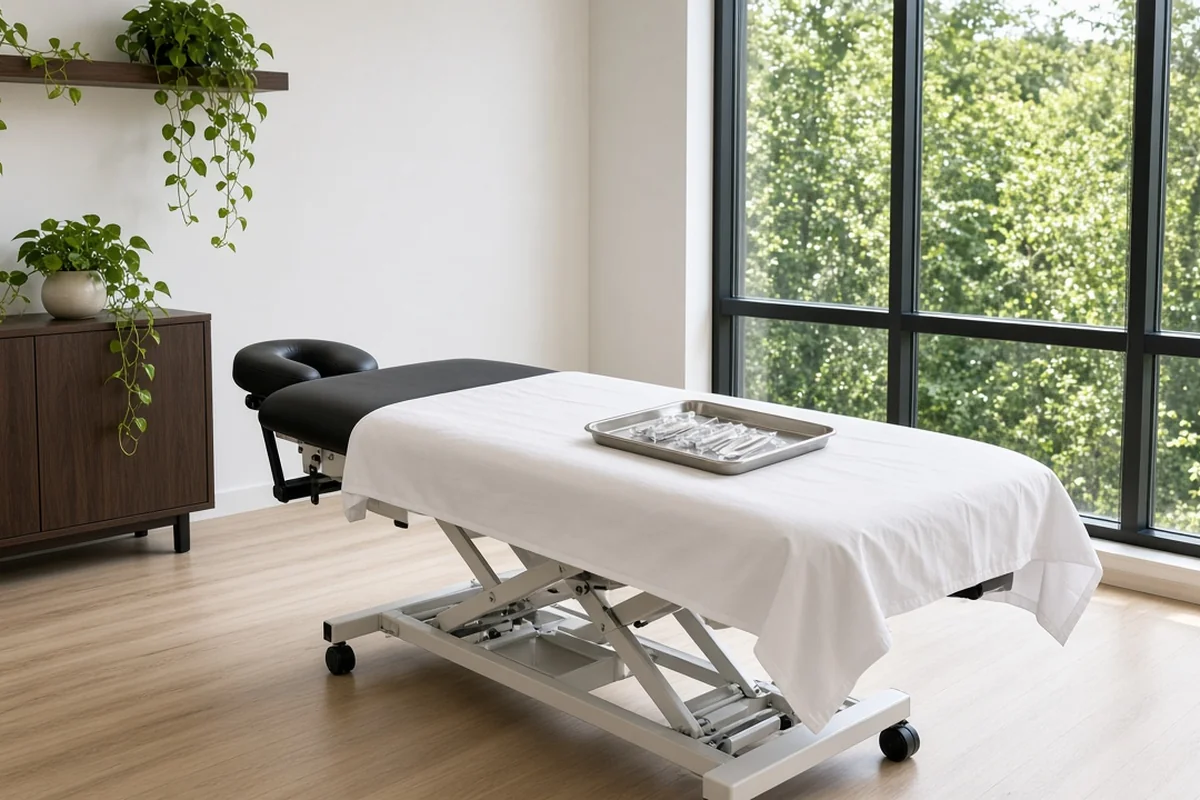
You lie comfortably on a treatment table while the practitioner places needles at points chosen for how you present that day. Needles may go near the area of discomfort, or at points on the hands, feet or back. The number varies, often somewhere between a handful and around twenty.
Rest
Most people rest with the needles in place for about twenty to thirty minutes. Many find this part calming. Your practitioner stays nearby and checks in.
Other techniques you might hear about
Depending on your plan, your practitioner may discuss related techniques such as cupping therapy, gua sha, moxibustion or gentle electrical stimulation (electroacupuncture).
Does acupuncture hurt?
Acupuncture needles are much finer than the needles used for injections or blood tests. Most people feel a brief pinch as the needle goes in, then sensations like a dull ache, warmth, tingling or heaviness around the point. Mayo Clinic notes that because the needles are very thin, insertion usually causes little discomfort, and you may feel a mild aching sensation when a needle reaches the correct depth (Mayo Clinic, Acupuncture). If anything feels sharp or uncomfortable, tell your practitioner and they will adjust or remove the needle.

Ready to try it? Book your first acupuncture appointment online or call us at (604) 364-1626. No doctor's referral needed.
What does the research say?
It is fair to go in with realistic expectations. The evidence on acupuncture is mixed and still developing:
- NCCIH summarizes that acupuncture may help ease some types of pain, such as low back pain, neck pain and knee osteoarthritis pain, and may help reduce the frequency of tension headaches and prevent migraine headaches (NCCIH, Acupuncture: Effectiveness and Safety).
- A Cochrane review found that acupuncture may help reduce how often tension-type headaches occur for some people, while noting limits in the evidence (Cochrane, Acupuncture for tension-type headache).
- For many other conditions, research is limited or the results are unclear.
Responses vary from person to person. Your acupuncturist will talk with you about a reasonable trial period and how you will both judge whether it is helping. Acupuncture is not a replacement for seeing your doctor about new, severe or unexplained symptoms.
Is acupuncture safe? Possible side effects
When performed by a trained, regulated practitioner using sterile single-use needles, serious problems are uncommon. Mild, short-lived effects can include soreness, small bruises or a spot of bleeding where a needle was placed, and feeling tired or light headed for a short time after treatment. Tell your practitioner about any medications, health conditions or pregnancy before your session so they can plan safely.
How many sessions will I need?
There is no single answer. Some people notice a change after a few visits, while others need a longer course or decide acupuncture is not for them. Your practitioner will usually suggest a short series, then review how you are responding before recommending anything more. You get an estimate at the end of your assessment rather than an open-ended plan.
After your appointment
Drink water, take the rest of the day gently if you can, and avoid intense exercise, alcohol or a very hot shower for a few hours. Our acupuncture after care guide covers what to expect in the next 24 to 48 hours and what to report at your next visit.
How much does acupuncture cost in Burnaby?
At BLVD, an initial acupuncture treatment is 60 minutes and $120, and includes your assessment and first needling session. Follow-up visits are 45 minutes. We currently have a new patient offer for the first visit: the initial treatment is $97 instead of $120 (19% off). Prices are subject to change, and current rates are listed on our pricing page. We direct bill to most extended health insurers.
Is acupuncture covered by insurance in BC?
Extended health benefits: Many workplace and private plans in BC include acupuncture, often with a per-visit or yearly maximum. Some plans require a physician referral before they reimburse, so check your plan booklet or ask us to check for you. Our guide to understanding your extended health benefits in BC explains common terms.
ICBC: If you have been in a car crash in BC and reported it, ICBC pre-approves a set number of acupuncture visits in the first weeks after the crash. Bring your claim number and we can bill ICBC directly. Details are on our acupuncture service page, and coverage rules can change, so confirm with ICBC for your own claim.
Acupuncture with physio, massage or IMS
Acupuncture can be one part of a wider plan. At BLVD, our registered acupuncturists work alongside the team providing physiotherapy in Burnaby, registered massage therapy and chiropractic care. If you have heard of dry needling, that is different: IMS (intramuscular stimulation) is a needling technique performed by trained physiotherapists, based on a Western anatomical model. Your practitioner can help you work out which approach fits your goals.
Acupuncture near Gilmore Station, Burnaby
BLVD Wellness and Recovery is at 4279 Dawson St #301, Burnaby, a 5 minute walk from Gilmore Station and easy to reach from the Gilmore area. We are open Monday to Saturday, 8:00 am to 8:00 pm.
Meet our acupuncturist, Felix Yoon, R.Ac, or learn more about acupuncture in Burnaby at BLVD.
Frequently asked questions
Do I need a doctor's referral for acupuncture?
No. You can book acupuncture directly with us. Some extended health plans ask for a referral before they reimburse you, so check your plan first.
How long is a first acupuncture appointment?
At BLVD, the initial visit is 60 minutes, including your intake, assessment and first treatment. Follow-ups are 45 minutes.
What should I wear to acupuncture?
Loose, comfortable clothing that can be rolled up past your elbows and knees. Draping is provided if a point needs more access.
Can I exercise after acupuncture?
Light walking is usually fine. Many practitioners suggest skipping intense exercise for the rest of the day. See our after care guide for details.
Is acupuncture safe during pregnancy?
Some points are avoided during pregnancy, so always tell your practitioner if you are or might be pregnant. They will discuss whether treatment is appropriate and may suggest checking with your doctor or midwife.
When should I see a doctor instead?
See your family doctor or call 811 (HealthLink BC) for new, severe or worsening symptoms, numbness or weakness, unexplained weight loss, fever, or pain after a fall or accident. Call 911 in an emergency.
Sources
- Acupuncture: Effectiveness and Safety, National Center for Complementary and Integrative Health (NCCIH)
- Acupuncture, Mayo Clinic
- Acupuncture for tension-type headache, Cochrane
- College of Complementary Health Professionals of BC (CCHPBC), CCHPBC

Book your visit at BLVD
Physio, chiro, massage and acupuncture in Burnaby.
4279 Dawson St #301, Burnaby. 5 min walk from Gilmore Station.